
Category: Uncategorized

  • What Is Bobtailing and Why Is it Dangerous on Lutz, Florida Roads?

    What Is Bobtailing and Why Is it Dangerous on Lutz, Florida Roads?

    You’ve probably seen a semi-truck traveling without a trailer attached. It looks smaller and lighter than a full tractor-trailer, so you might assume it’s easier to handle. But what if removing the trailer actually makes the truck more difficult to control?

    So, what is bobtailing, and what makes it dangerous? Bobtailing is the term for driving the tractor portion of a big rig without a trailer. Without the trailer’s weight pressing down on its rear wheels, the truck has less traction and can be harder to control during sudden braking or sharp turns. On wet pavement or in heavy traffic, those handling differences can increase the risk of a serious collision.

    If you drive US Highway 41, State Road 54, or other busy roads around Lutz, understanding these risks can help you recognize the danger. And if a bobtail truck has already struck your vehicle, knowing how the truck was being operated can help determine who may be responsible for your injuries and which insurance policy applies.

    We speak English, Español, and Français. At Dumas & Sanclemente Law, PLLC, clients have direct access to attorneys backed by 20 years of combined experience, including experience working on the defense side of personal injury claims. Our committed team’s guiding principle is simple: Seeking justice for the injured.

    At a Glance

    • What is bobtailing? Driving a semi-truck tractor without a trailer attached.
    • Why can it be dangerous? Reduced weight over the rear wheels can affect traction, braking, and handling.
    • Is bobtailing illegal? No. It’s a common trucking practice, but drivers must follow applicable safety regulations.
    • Who is responsible for an accident? Liability may involve the truck driver, trucking company, or other parties.
    • What if you’re injured? You may be able to pursue compensation if someone else’s negligence caused your injuries.

    What Is Bobtailing in Trucking?

    Bobtailing happens when a truck driver operates the tractor portion of a semi-truck without pulling a trailer. The tractor contains the engine, cab, and driving controls and connects to a trailer through a coupling device called a fifth wheel.

    Without a trailer attached, the tractor is shorter and lighter than a full tractor-trailer rig. However, it still remains a large commercial vehicle with handling characteristics that differ from those of a passenger car.

    Bobtailing is routine in the trucking industry. A driver might travel without a trailer after completing a delivery, while returning to a terminal, or when heading to pick up another trailer. For example, a driver drops off a loaded trailer near Wesley Chapel, then travels to another facility to collect a new trailer. That trip between facilities involves bobtailing.

    Is bobtailing the same as deadheading?

    Although the terms sound similar, they describe different situations.

    • Bobtailing means the tractor travels without a trailer.
    • Deadheading means the truck travels without cargo, often while pulling an empty trailer.

    The distinction affects how the truck handles and may also influence insurance coverage after an accident.

    Why Is Bobtailing Dangerous?

    You might expect a lighter truck to be easier to stop and maneuver. But commercial truck braking systems and suspension components must accommodate substantial changes in weight, and removing the trailer changes how the tractor responds.

    Reduced traction and different braking behavior

    When a trailer is attached, part of its weight rests on the tractor’s drive axles, pressing the rear wheels against the pavement. Without that weight, the drive tires have less available traction. When a driver brakes suddenly, accelerates, or turns, the reduced grip can make the tractor more difficult to control. If the tires lose traction, the truck may skid.

    During hard braking, the lightly loaded drive wheels may lose traction before the driver can bring the vehicle to a controlled stop. The risk increases on wet or slippery pavement. That doesn’t mean every bobtail truck needs a longer stopping distance than a loaded truck.

    Stopping performance depends on speed, braking equipment, tire condition, and road conditions. The concern is how the tractor responds when the driver must stop unexpectedly.

    Handling during turns and emergency maneuvers

    A bobtail truck can also become unstable when a driver swerves or takes a sharp turn too quickly. Abrupt steering combined with braking can cause the tractor to skid sideways or rotate. Unlike a full tractor-trailer rig, a bobtail truck cannot experience traditional trailer jackknifing because there’s no trailer to swing toward the cab. However, the tractor itself can still lose directional control.

    These differences make proper speed, following distance, and smooth steering important when operating without a trailer.

    How Do Bobtail Truck Accidents Happen on Lutz Roads?

    Lutz spans Hillsborough and Pasco Counties and sits near communities such as Wesley Chapel, Land O’ Lakes, and Carrollwood. US Highway 41 and State Road 54 carry a mixture of passenger vehicles, delivery trucks, and other commercial traffic.

    A bobtailing truck traveling through these areas must respond to intersections, traffic signals, turning vehicles, and sudden changes in traffic speed.

    Several circumstances can contribute to bobtail truck accidents:

    • Sudden stops in heavy traffic. Following too closely can force a driver into hard braking when traffic slows, increasing the risk of skidding.
    • Rain and slippery roads. Florida’s heavy rain reduces visibility and tire grip. A driver who fails to adjust speed may lose control.
    • Unsafe turns. Turning too quickly can cause a lightly loaded tractor to skid, particularly when braking and steering occur together.
    • Distracted driving or driver fatigue. Inattention and exhaustion delay a driver’s response to hazards.
    • Mechanical problems. Worn tires, brake failure, or inadequate maintenance can contribute to a collision.

    Bobtailing alone doesn’t establish negligence. After a truck collision, the question is whether someone failed to use reasonable care and whether that failure caused or contributed to the accident.

    Who Is Liable for a Bobtail Truck Accident in Florida?

    If you’re injured in a collision involving a bobtail truck, determining who is responsible may be more complicated than identifying the driver. The truck’s ownership, the driver’s relationship with the trucking company, and the purpose of the trip can all affect truck accident liability.

    The truck driver

    The truck driver may be held liable for speeding, following too closely, distracted driving, unsafe turns, or failing to adjust for weather and traffic conditions.

    Federal hours-of-service rules also limit driving and duty periods for covered commercial drivers. If driver fatigue contributed to the accident, driving logs may reveal whether the driver violated those requirements. The evidence must connect the driver’s negligence to the collision and resulting injuries.

    The trucking company

    A trucking company may be held responsible if its employee causes an accident while performing work-related duties. The company may also face claims based on its own conduct, including negligent hiring, inadequate training, or failing to maintain equipment it was responsible for keeping safe.

    For example, if a company directs a driver to retrieve a trailer and the driver causes an accident along the way, the assignment and employment relationship may be central to determining the company’s responsibility.

    Other responsible parties

    Some truck accidents involve multiple parties. A maintenance provider may bear responsibility for defective repairs, while a manufacturer could face a claim under product liability laws if a defective part contributed to the collision.

    Another motorist’s negligence may also be a factor. Florida’s comparative fault law provides for allocating fault among responsible parties in covered negligence actions. A thorough investigation is needed to identify who may be held accountable.

    What Insurance Covers a Bobtail Truck Accident in Florida?

    Florida is a no-fault auto insurance state, which means your own personal injury protection (PIP) coverage may help pay certain medical expenses and lost wages after a bobtail truck accident, regardless of who caused the collision.

    Under Florida Statutes § 627.736, PIP provides up to $10,000 in qualifying benefits, subject to statutory limits and requirements. You must receive initial medical treatment within 14 days of the accident to qualify for medical benefits. Depending on the medical findings, those benefits may be limited to $2,500.

    However, PIP may not cover all your losses. If a truck driver’s negligence caused your injuries, you may also have a claim against the driver, the trucking company, or another responsible party. Florida law places additional requirements on recovering compensation for pain and suffering in certain motor vehicle accident cases.

    Determining which liability insurance policy applies may depend on whether the driver was performing work for a trucking company or using the truck for personal reasons. For example, a driver traveling without a trailer to pick up another load may still be working for the trucking company.

    A truck accident attorney can review the driver’s assignment, company records, and insurance policies to identify potential sources of compensation for your injuries and other losses.

    What Should You Do If You’re in a Bobtail Truck Accident?

    If you’ve been involved in a collision with a bobtail truck, your health and safety come first. Some injuries aren’t immediately apparent, and symptoms may develop hours or days later. What you do after the accident can also affect your ability to pursue compensation.

    Here are steps to take following a collision:

    1. Call 911 and report the accident. Request emergency assistance if anyone is injured, and move to a safe location if you can do so without putting yourself or others at risk.
    2. Get medical attention. Have your injuries evaluated promptly, even if you initially feel fine. Some injuries take time to become apparent, and medical records can help document their connection to the accident.
    3. Document the scene. If you can do so safely, photograph the vehicles, damage, roadway conditions, and visible injuries. Record the trucking company’s name and identifying information on the tractor, and collect contact information from witnesses.
    4. Keep records of your losses. Save medical bills, treatment records, repair estimates, receipts, and documentation of missed work. These records can help establish how the accident has affected you financially.
    5. Be cautious when speaking with insurance companies. Notify your own insurer as required by your policy, but avoid speculating about fault or giving unnecessary recorded statements to another party’s insurer before seeking legal advice.
    6. Contact a truck accident attorney promptly. Once your immediate medical needs are addressed, seek legal advice. Evidence held by trucking companies can be lost or overwritten, so contacting an attorney early can help protect your claim.

    How Do You Prove Negligence in a Bobtail Truck Accident?

    The evidence you gather at the accident scene is a starting point, but proving negligence requires a closer look at what happened before the collision. Was the driver traveling too fast for the conditions? Had the trucking company neglected a maintenance problem? Was the driver following company instructions when the accident occurred?

    A truck accident lawyer can investigate these issues by reviewing police reports, witness accounts, maintenance and dispatch records, driver qualifications, hours-of-service logs, and available electronic data. Accident reconstruction professionals may also examine physical evidence to establish how the collision occurred.

    The evidence can help establish who was responsible, how their negligence contributed to your injuries, and what losses you suffered. Depending on the circumstances, a Florida truck accident case may involve compensation for medical expenses, lost wages, reduced earning capacity, pain and suffering, and other legally recoverable damages.

    An attorney can also handle negotiations with insurance companies and, if a fair settlement cannot be reached, pursue the claim in court.

    How does Florida’s comparative fault law affect your claim?

    Under Florida Statutes § 768.81(2), your potential compensation in a covered negligence action is reduced by your percentage of fault. Under § 768.81(6), if you’re found more than 50% responsible for your own injuries, you cannot recover damages.

    For example, if your damages total $100,000 and you’re found 20% responsible, your damages would be reduced to $80,000 before accounting for other issues affecting recovery.

    Because the percentage of fault assigned to you can significantly affect your compensation, a truck accident attorney can gather and evaluate evidence, challenge unsupported allegations of fault, and advocate for an allocation of responsibility supported by the facts.

    Frequently Asked Questions

    Is bobtailing illegal in Florida?

    No. Bobtailing is a lawful trucking practice. However, drivers and motor carriers must comply with applicable traffic laws, vehicle safety requirements, and federal regulations. A driver may be held liable if negligent operation causes an accident.

    Is a bobtail truck harder to stop than a loaded semi-truck?

    Not in every situation. Removing the trailer reduces weight but changes axle loading and braking characteristics. Reduced traction at the rear wheels can make the tractor harder to control during sudden braking. Actual stopping distance depends on speed, equipment, road conditions, and other factors.

    Can a bobtail truck jackknife?

    Not in the traditional sense. Jackknifing occurs when a trailer swings toward the tractor. Because a bobtail truck has no attached trailer, that specific type of jackknife cannot occur. However, the tractor can still skid, spin, or lose directional control.

    Who pays for injuries caused by a bobtail truck accident?

    That depends on who caused the accident and which insurance policies apply. The truck driver, trucking company, or other responsible parties may be held liable. Whether the driver was conducting trucking business can affect coverage.

    How long do I have to file a truck accident lawsuit in Florida?

    Under Florida Statutes § 95.11(5)(a), the filing deadline for a negligence lawsuit is two years. Because evidence can disappear well before the filing deadline, seeking legal advice promptly can protect your ability to pursue a claim.

    Injured in a Bobtail Truck Accident? Let’s Talk

    English • Español • Français

    A truck doesn’t need a trailer to cause serious injuries. If you’ve been hurt in a collision with a bobtail truck, you may be dealing with medical appointments, missed paychecks, and questions about an accident you couldn’t have anticipated.

    At Dumas & Sanclemente Law, PLLC, attorneys Axel J. Dumas and Jonathan Sanclemente bring 20 years of combined experience to representing injured clients. Axel previously represented insurance companies in personal injury matters, giving him insight into how insurers evaluate and defend claims. Jonathan has focused his career on representing injured individuals and has litigated hundreds of cases co-founding the firm. Together, their backgrounds help them anticipate disputes and prepare cases for litigation when necessary.

    When you contact our firm, you’ll speak directly with an attorney about your circumstances and legal options. We emphasize personal attention, honest communication, and helping you make informed decisions about your claim.

    From our Lutz office, we serve injured people in Lutz, Wesley Chapel, and surrounding communities. We speak English, Español, and Français, and we answer calls 24/7.

    Contact us today at (844) 400-2667 or complete our online form to schedule your free consultation with an attorney.

    Dumas & Sanclemente Law, PLLC — Seeking justice for the injured.

    Copyright © 2026 Dumas & Sanclemente Law, PLLC. All rights reserved.

    The information in this blog post (“post”) is provided for general informational purposes only and may not reflect the current law in your jurisdiction. No information in this post should be construed as legal advice from the individual author or the law firm, nor is it intended to be a substitute for legal counsel on any subject matter. No reader of this post should act or refrain from acting based on any information included in or accessible through this post without seeking the appropriate legal or other professional advice on the particular facts and circumstances at issue from a lawyer licensed in the recipient’s state, country, or other appropriate licensing jurisdiction.

    Dumas & Sanclemente Law, PLLC
    1935 Highland Oaks Blvd
    Lutz, FL 33559
    (844) 400-2667
    https://www.dsinjury.com/
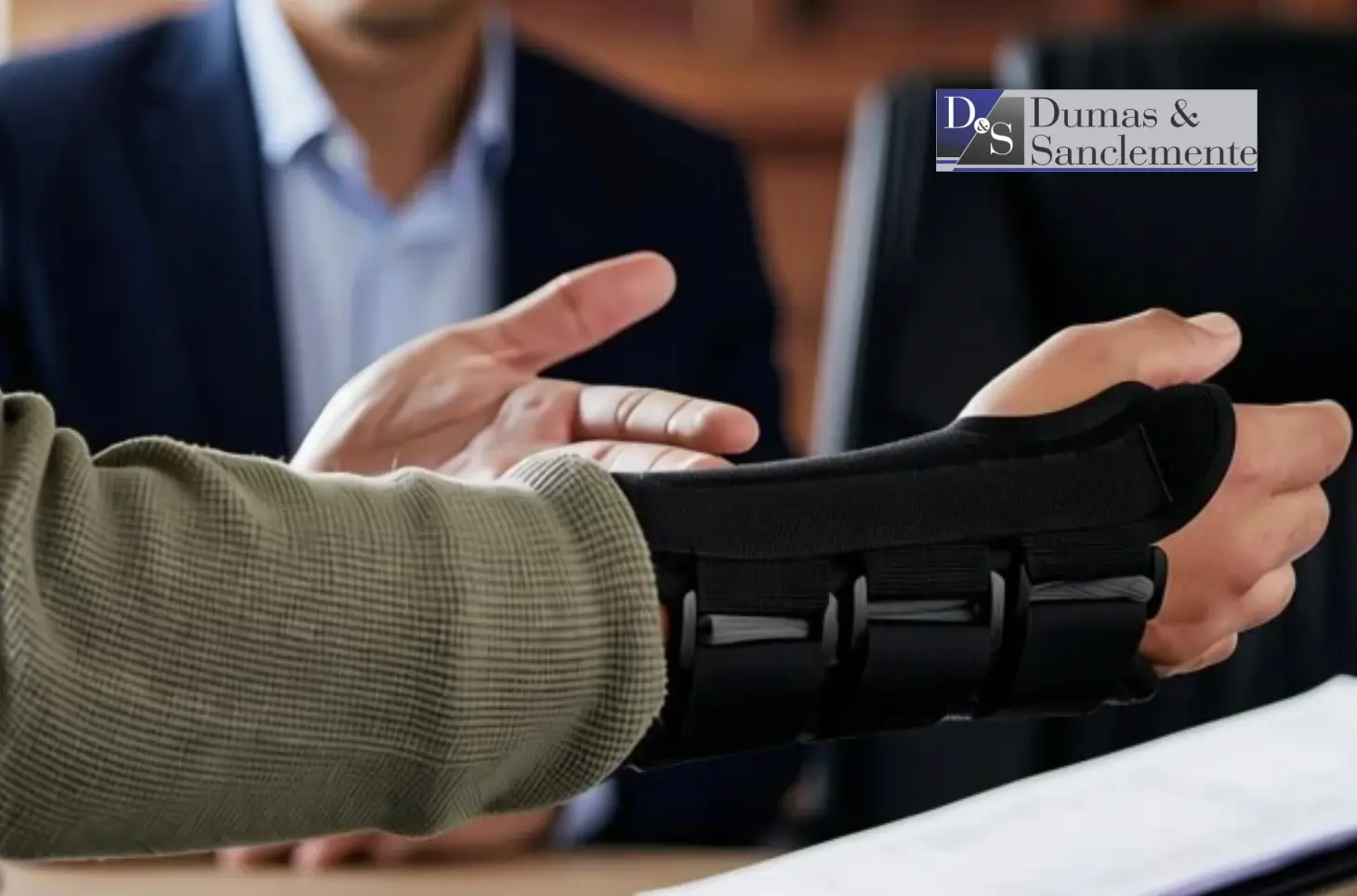
  • How to Find a Good Personal Injury Lawyer in Fort Lauderdale, Florida

    How to Find a Good Personal Injury Lawyer in Fort Lauderdale, Florida

    After being injured in a car accident in Fort Lauderdale, you file an insurance claim, but the insurance company disputes the extent of your injuries and offers far less compensation than you believe you need to cover your losses.

    You decide to search online for a personal injury attorney. Dozens of law firms appear in your search results, each advertising its experience, services, and commitment to injured clients. With so many options, how do you know which attorney is right for you?

    Knowing how to find a good personal injury lawyer involves more than comparing advertisements or choosing the first firm in your search results. You need an attorney who understands your type of case, communicates clearly, explains the costs of representation, and is prepared to pursue your claim through litigation when necessary.

    The right personal injury lawyer should have relevant experience, a record you can independently verify, and a communication style that makes you comfortable asking questions.

    We speak English, español, and français. At Dumas & Sanclemente Law, PLLC, clients have direct access to attorneys backed by 20 years of combined experience, including experience working on the defense side of personal injury claims. Our committed team’s guiding principle is simple: Seeking justice for the injured.

    At a Glance

    • Choosing a personal injury lawyer: Look for relevant case experience, clear communication, and an attorney who is prepared to take your case to court if necessary.
    • Verifying qualifications: The Florida Bar’s online directory allows you to check an attorney’s license status, disciplinary history, and professional credentials.
    • Understanding attorney fees: Most personal injury lawyers work on a contingency fee basis, meaning their fees depend on recovering compensation. Court costs and other expenses are addressed separately.
    • Asking the right questions: Before hiring an attorney, find out who will handle your case, how often you will receive updates, and what challenges your claim may present.
    • Choosing local representation: A Fort Lauderdale personal injury attorney familiar with Florida personal injury law and Broward County court procedures can help you understand the legal process.

    What Should You Look for in a Personal Injury Lawyer?

    Not every personal injury attorney has the same background or approach to representing clients. The attorney you choose should have experience relevant to your claim and be able to explain how that experience informs their work.

    Experience handling cases similar to yours

    Personal injury law covers many different accidents and injuries, including car crashes, truck collisions, slip-and-fall accidents, and incidents involving unsafe property conditions. For example, a truck accident may involve federal safety regulations, commercial insurance policies, and multiple potentially liable parties. A slip-and-fall case may depend on evidence of a hazardous condition and whether the property owner had actual or constructive knowledge of it.

    Ask prospective attorneys about the types of cases they handle and their experience investigating circumstances similar to yours. An attorney familiar with your type of injury claim should be able to explain the evidence needed to establish liability, the potential challenges, and how Florida law may affect your options.

    Experience dealing with insurance companies

    Insurance companies investigate claims to determine liability, evaluate damages, and decide whether to offer a settlement. Their assessment may differ substantially from yours, particularly when injuries require ongoing treatment or affect your ability to work.

    A personal injury lawyer should understand how insurers evaluate medical records, question the necessity of treatment, dispute lost wages, and assess future medical expenses. Experience representing insurance companies can provide additional insight into how claims are evaluated and defended. When interviewing attorneys, ask about their experience negotiating with insurers and responding to disputed liability or damages.

    Willingness to prepare a case for trial

    Although many personal injury claims settle without a trial, some disputes cannot be resolved through negotiations. An attorney should be prepared to explain what happens if an insurance company disputes responsibility or refuses to offer an acceptable settlement.

    Litigation may involve obtaining police reports, collecting medical records, interviewing witnesses, taking depositions, and consulting expert witnesses. Depending on the circumstances, a case may require testimony from medical professionals or accident reconstruction specialists.

    Ask whether the attorney handles litigation and trials or refers those matters to another law firm. The answer can help you determine who would represent you if settlement negotiations fail.

    How Can You Verify a Florida Personal Injury Attorney’s Credentials?

    A professional website and favorable advertisements are not substitutes for verifying an attorney’s qualifications. Before hiring a personal injury attorney, take time to review information available through independent sources.

    Check Florida Bar membership and disciplinary history

    The Florida Bar’s Find a Lawyer directory allows you to search for attorneys by name and review their membership information. An attorney’s profile can provide information about their eligibility to practice law in Florida, admission date, and public disciplinary history.

    The Florida Bar publishes public disciplinary records from the preceding 10 years through its online directory. Additional information about older disciplinary actions can be requested from the Bar.

    Checking these records helps you verify that the attorney is authorized to practice and identify professional disciplinary matters that may warrant further questions.

    Review the attorney’s professional background and recognition

    An attorney’s professional biography can provide information about their legal education, career history, and experience handling personal injury claims. Review their background to determine how their work relates to the type of accident or injury involved in your case.

    Professional recognition may provide additional information about an attorney’s involvement in the legal profession. When reviewing awards or memberships, consider the organization granting the recognition and the criteria used to select recipients.

    These details can help you evaluate an attorney’s qualifications alongside their Florida Bar standing, relevant experience, and professional reputation.

    Consider client feedback and professional reputation

    Online reviews may provide insight into how a law firm communicates with clients, responds to questions, and manages expectations. Look for recurring observations rather than relying on one positive or negative review. Pay particular attention to comments about accessibility, responsiveness, and whether clients understood what was happening with their cases.

    Peer reviews and professional references may provide additional context, but they should not replace your own evaluation.

    Past settlements and verdicts can also help you understand an attorney’s experience. However, the circumstances of each personal injury case differ, and past case outcomes cannot predict the compensation that may be available in your claim.

    What Questions Should You Ask a Personal Injury Lawyer?

    A free consultation gives you an opportunity to explain what happened, learn about the attorney’s services, and decide whether the firm is a suitable choice.

    Consider speaking with more than one personal injury attorney before making your decision. Knowing the right questions to ask a personal injury lawyer can help you compare their experience, communication style, approach to your case, and fee arrangements.

    During your consultation, ask questions that help you evaluate the attorney’s qualifications and approach to your case:

    1. Have you handled cases similar to mine? Ask about the attorney’s experience with your type of accident, injuries, and disputed legal issues.
    2. Who will personally handle my case? Determine whether you will work directly with the attorney you meet or primarily communicate with other members of the legal team.
    3. How often will I receive updates? Ask about the firm’s communication style, preferred methods of contact, and expected response times.
    4. What challenges do you see in my claim? A thoughtful attorney should be willing to discuss potential difficulties rather than promise a particular settlement.
    5. What are your attorney fees and case expenses? Request an explanation of the fee percentage, court costs, and other charges before signing an agreement.
    6. Will you take my case to court if necessary? Find out whether the attorney handles trials and what circumstances might lead to litigation.

    Pay attention to how the attorney responds. Do they explain unfamiliar legal terms? Do they listen to your concerns? Are they willing to acknowledge what cannot yet be determined? The initial conversation can provide valuable insight into the attorney-client relationship you can expect.

    What should you bring to the consultation?

    You don’t need to have every document before contacting a personal injury attorney. However, available information can help the lawyer make an initial assessment. Useful materials include accident photographs, police reports, insurance correspondence, medical records, treatment bills, and documentation of lost wages.

    If you’ve received a settlement offer or a request for a recorded statement, bring that information as well. An attorney can explain what additional evidence may be needed and whether steps should be taken promptly to preserve it.

    How Much Does a Personal Injury Lawyer Cost in Florida?

    Concerns about legal fees can prevent injury victims from seeking legal representation. Understanding personal injury lawyer fees, including how contingency fees and case expenses work, can help you compare firms and avoid unexpected costs.

    How do contingency fees work?

    Most personal injury attorneys in Florida work on a contingency fee basis, meaning their attorney fees depend on recovering compensation for their clients. Rather than paying attorney fees upfront, you agree to pay your lawyer a percentage of the money recovered through a settlement or court award.

    If your case does not produce a monetary recovery, you do not owe a contingency attorney fee. However, you may still be responsible for court costs and other case expenses, depending on your fee agreement.

    Florida’s rules governing attorney fees establish standards for contingency fee agreements in personal injury cases. The percentage an attorney may charge depends on several factors, including whether a lawsuit has been filed and how the case proceeds. You can discuss and negotiate the proposed fee before signing an agreement.

    Before signing a written contingency fee agreement, ask the attorney to explain the percentage you would pay, when that percentage could change, and how court costs and other expenses would affect the amount you may be eligible to receive.

    What court costs and other expenses might you pay?

    Attorney fees and case expenses are separate charges. Depending on the claim, expenses may include filing fees, obtaining police reports and medical records, deposition transcripts, expert witnesses, and other litigation costs.

    For example, a personal injury case requiring accident reconstruction testimony may involve greater expenses than a claim resolved before litigation.

    Ask whether the law firm advances these costs, whether they are deducted from a settlement or judgment, and whether you could be responsible for expenses if there is no recovery.

    Also ask whether expenses are deducted before or after calculating the attorney’s percentage. That distinction can affect the amount you receive.

    Medical bills, insurance reimbursement claims, or other liens may further reduce the amount you receive from a settlement or judgment. Ask your attorney about these potential obligations, which are separate from attorney fees and case expenses.

    What rights do Florida clients have before signing an agreement?

    Florida requires written contingency fee agreements that explain how fees and expenses will be calculated. The Florida Bar’s Statement of Client’s Rights also explains important protections, including the right to discuss and negotiate the proposed fee.

    For covered contingency agreements, clients have three business days after signing to cancel by written notice without owing attorney fees for work performed during that period. They may still be responsible for actual costs advanced on their behalf.

    Read the entire agreement and ask questions about any terms you don’t understand before accepting representation.

    What Warning Signs Should You Watch for When Choosing an Injury Attorney?

    Choosing an attorney involves more than confirming credentials and comparing fees. Certain behaviors during the hiring process may suggest that you should continue your search.

    Be cautious if a lawyer:

    • Promises a specific settlement or verdict. Compensation depends on the evidence, applicable law, insurance coverage, and other circumstances that may not be known during an initial consultation.
    • Avoids explaining legal fees. You should seek clear answers about contingency fees, expenses, and potential financial obligations.
    • Pressures you to sign immediately. You should have an opportunity to review the representation agreement and ask questions.
    • Cannot explain who will handle your claim. Knowing your primary attorney and point of contact is important for communication.
    • Dismisses your questions or concerns. You should feel comfortable discussing your injuries, financial worries, and expectations.

    Be equally cautious about choosing an attorney based solely on advertising claims or a large past settlement. An individual case must be evaluated on its own facts. A productive attorney-client relationship begins with realistic expectations and clear communication.

    Why Should You Consider a Fort Lauderdale Personal Injury Attorney?

    A personal injury lawyer familiar with Florida law and the Fort Lauderdale area may offer practical advantages when investigating an accident and preparing a claim.

    Personal injury lawsuits arising in Broward County may proceed in the Seventeenth Judicial Circuit or another court with appropriate jurisdiction, depending on the case. Familiarity with local court procedures, filing requirements, and litigation practices can help an attorney manage the process.

    However, proximity alone does not establish an attorney’s qualifications. Relevant experience, communication, and preparedness remain more meaningful selection criteria.

    Knowledge of Florida personal injury laws

    Florida law can affect both the value of a claim and the time available to pursue it. Under Florida Statutes § 768.81, the state’s modified comparative negligence rule can reduce compensation based on a claimant’s percentage of fault. In negligence actions subject to the rule, someone found more than 50% responsible for their own harm cannot recover damages. Medical negligence claims are excepted from that particular restriction.

    Under Florida Statutes § 95.11, many negligence claims arising on or after March 24, 2023, are subject to a two-year deadline to file a lawsuit. Claims arising before that date may be subject to a different limitations period, and exceptions may apply.

    Accessibility throughout your case

    An attorney’s office location can be convenient, particularly when you need to attend meetings or provide documentation. However, accessibility involves more than distance.

    Ask whether the firm offers telephone or virtual consultations, how you can reach your attorney, and who will respond when questions arise. A Fort Lauderdale personal injury attorney who communicates consistently and keeps you informed can make the legal process easier to follow, especially while you are receiving medical treatment.

    Frequently Asked Questions

    How many personal injury lawyers should I consult before choosing one?

    Speaking with two or three attorneys can help you compare experience, communication, and fee arrangements. There is no required number. The goal is to find an attorney whose qualifications and approach fit your personal injury needs.

    Does a personal injury lawyer need trial experience?

    Trial experience can be valuable because some claims require litigation when settlement negotiations fail. Ask whether the attorney has handled trials involving similar claims and who would represent you in court if your case proceeds that far.

    Can I change personal injury lawyers after signing an agreement?

    Yes. Clients can discharge their attorneys, although changing representation may create financial obligations under the fee agreement and applicable law. The former attorney may have a claim for fees or costs in certain circumstances. Review your agreement and discuss the implications before making a change.

    Should I accept an insurance settlement before consulting an attorney?

    You may want legal advice before accepting a settlement, particularly if you are still receiving treatment or do not know the extent of your injuries. Signing a release may prevent you from seeking additional compensation for the covered claim, even if further medical expenses arise.

    How soon after an accident should I contact a personal injury attorney?

    Contacting an attorney promptly can help preserve evidence, identify applicable deadlines, and address communications with insurance companies. Waiting may make it harder to collect surveillance footage, locate witnesses, or document accident conditions.

    Find an Attorney Who Listens to Your Concerns and Explains Your Options

    English • Español • Français

    When you’re recovering from an injury, you have enough to deal with without wondering whether you’ve chosen the right lawyer. You need straightforward answers about your rights, the challenges your claim may present, and what to expect if you decide to move forward.

    At Dumas & Sanclemente Law, PLLC, Fort Lauderdale personal injury attorneys Axel J. Dumas and Jonathan Sanclemente bring 20 years of combined experience to representing injured clients. Axel previously represented insurance companies in personal injury matters, giving him insight into how insurers evaluate and defend claims. Jonathan has focused his career on representing injured individuals, and he has litigated hundreds of cases before co-founding the firm.

    Together, their backgrounds inform how they evaluate claims, anticipate disputes, and prepare cases for litigation when necessary. When you contact our firm, you speak directly with an attorney about your circumstances from the start, and your case is supported by a team of legal professionals throughout the claim. We emphasize personal attention, honest communication, and helping you make informed decisions about your case.

    If you were injured in Fort Lauderdale or the surrounding area, call (561) 698-1716 or complete our online contact form to schedule your free consultation with an attorney. To help you discuss your concerns in the language you’re most comfortable with, we speak English, Español, and Français.

    Dumas & Sanclemente Law, PLLC — Seeking justice for the injured.

    Copyright © 2026 Dumas & Sanclemente Law, PLLC. All rights reserved.

    The information in this blog post (“post”) is provided for general informational purposes only and may not reflect the current law in your jurisdiction. No information in this post should be construed as legal advice from the individual author or the law firm, nor is it intended to be a substitute for legal counsel on any subject matter. No reader of this post should act or refrain from acting based on any information included in or accessible through this post without seeking the appropriate legal or other professional advice on the particular facts and circumstances at issue from a lawyer licensed in the recipient’s state, country, or other appropriate licensing jurisdiction.

    Dumas & Sanclemente Law, PLLC
    1500 W Cypress Creek Rd, Suite 301
    Fort Lauderdale, FL 33309
    (561) 698-1716
    (844) 400-2667
    https://www.dsinjury.com/

  • What Are the Benefits of Hiring a Personal Injury Lawyer in Lutz, Florida?

    What Are the Benefits of Hiring a Personal Injury Lawyer in Lutz, Florida?

    A sudden accident in Lutz can turn your life completely upside down in a matter of seconds. Between severe physical pain, piling medical bills, and the sudden inability to work, you are likely wondering how to navigate the complex legal system. The definitive answer to protecting your future is securing strong legal representation. The core benefits of hiring a personal injury lawyer revolve around leveling the playing field against massive insurance corporations and making sure you may be eligible to receive fair compensation for what you have endured.

    This guide is designed for anyone in Lutz, Florida, or the surrounding Tampa Bay area who has recently been involved in an accident. We will explain what an attorney does for you, how Florida’s specific laws impact your case, and why your physical recovery depends on making the right legal moves today. Read below to learn how a dedicated Lutz personal injury lawyer can protect your rights and guide you through each step of the legal process.

    We speak English, español, and français. At Dumas & Sanclemente Law, PLLC, clients have direct access to attorneys backed by 20 years of combined experience, including experience working on the defense side of personal injury claims. Our Committed team’s guiding principle is simple: Seeking justice for the injured.

    At a Glance

    Here is a quick summary of what this guide covers regarding your legal rights after an accident:

    • Protection from Insurers: Attorneys handle communications to stop adjusters from minimizing your payout.
    • Maximum Compensation: Lawyers properly calculate past, present, and future medical costs to pursue fair settlements.
    • Florida Law Navigation: Leveraging deep legal knowledge of local laws, including the strict two-year statute of limitations, PIP coverage, and modified comparative negligence.
    • Stress Reduction: Partnering with a local personal injury attorney who handles the heavy lifting, paperwork, and evidence gathering allows you to focus entirely on healing.

    Leveling the Playing Field Against Insurance Companies

    Insurance companies are profit-driven businesses, and their primary goal is to minimize payouts to injury victims. After an accident, you would likely receive a call from an insurance adjuster who seems friendly and helpful. Do not be misled.

    • Protecting Your Case Value: Accepting a low settlement offer early in the process can permanently jeopardize your case’s value. Once you sign a release, you cannot ask for more money later if your injuries require surgery or long-term care.
    • Controlling the Narrative: Attorneys handle communication with insurance companies on your behalf. This vital buffer helps prevent clients from making recorded statements that adjusters could twist to undermine their claims.
    • Taking Decisive Action: Personal injury lawyers seek the maximum compensation under the law through highly effective negotiation strategies. If the insurance company refuses to offer a fair settlement, the attorneys at Dumas & Sanclemente, PLLC have the proven track record and resources necessary to initiate formal legal proceedings in court and pursue compensation through that channel.

    Pursuing Maximum Financial Recovery for Your Injuries

    When evaluating a claim, unrepresented victims often only look at their current hospital bills. However, understanding how to maximize your personal injury settlement in Florida requires a comprehensive assessment of your entire life post-accident.

    Personal injury lawyers meticulously assess the damages to maximize your final compensation. We compute both economic and non-economic damages, making sure nothing is left on the table. This includes:

    1. Current and Future Medical Bills: Evaluating ongoing treatment, rehabilitation, and long-term care needs alongside trusted medical professionals is essential for accurate claim valuation.
    2. Lost Income: Seeking compensation for immediate lost wages, as well as the loss of your future earning capacity if you cannot return to your previous profession.
    3. Pain and Suffering: Calculating the emotional and physical toll the accident has taken on your daily life.

    The Unmatched Advantage of Local Legal Knowledge

    The legal landscape is incredibly nuanced, which is why hiring a local attorney for an accident claim matters. A lawyer based in Lutz possesses invaluable insight into the local legal ecosystem that out-of-state or generic national firms simply lack.

    Mastering Florida-Specific Laws

    Local attorneys have in-depth knowledge of Florida-specific statutes and regulations that dictate how your case must be handled:

    Leveraging Local Tampa Bay Connections

    Local attorneys understand the day-to-day operations and tactics of Tampa-area insurance adjusters. Furthermore, local lawyers collaborate with other legal professionals, have established relationships with local judges, and are intimately familiar with the procedures of the Hillsborough County courts. This insider knowledge often leads to quicker, more favorable case resolutions.

    Providing Peace of Mind During Your Recovery

    The legal burden of proof in personal injury cases lies entirely with the claimant. Proving your case requires exhaustive work, but a personal injury lawyer handles the complex legal procedures and paperwork for you.

    Attorneys know that managing medical documentation is crucial for proving liability. They gather critical evidence such as local police reports, traffic camera footage, and witness statements. They also frequently use connections to medical and accident reconstruction experts to heavily support your claims. Because most personal injury lawyers work on a contingency fee basis, they have a deeply vested interest in winning your case. You pay absolutely nothing unless they recover money for you. Ultimately, hiring a lawyer reduces the stress of legal complexities, providing you with the necessary peace of mind to focus purely on healing.

    Frequently Asked Questions

    How much does it cost to hire a personal injury lawyer in Lutz?

    Personal injury lawyers work on a contingency fee basis, meaning you pay zero out-of-pocket costs to start your case. Your attorney only gets paid a percentage of your final settlement or court award if they successfully win your claim.

    Will my personal injury case have to go to court?

    The vast majority of personal injury claims are settled out of court through aggressive negotiations with the insurance company. However, if the insurer refuses to offer a fair settlement, your attorney will file a lawsuit and confidently represent you at trial.

    Should I give a recorded statement to the other driver’s insurance adjuster?

    No, you should never provide a recorded statement to the opposing insurance company without your attorney present. Many times, adjusters have been trained to use your words out of context to shift blame onto you and minimize your financial payout.

    What happens if I delay going to the doctor after my accident?

    Delaying medical treatment can severely harm your claim due to unexplained gaps in your medical records. Insurance companies would argue that your injuries are not serious or were caused by a separate, unrelated event.

    Can I still pursue compensation if I was partially at fault for the crash?

    Under Florida’s modified comparative negligence law, you can still seek recovery of damages as long as you are 50% or less at fault for the accident. Your final compensation would simply be reduced by your specific percentage of fault.

    Talk With an Attorney, & Don’t Face the Insurance Companies Alone

    English • Español • Français

    Dealing with the physical agony of a severe injury, watching medical debt pile up on your kitchen counter, and stressing over missing weeks of work is an incredibly overwhelming burden to carry alone.

    We take that heavy burden off your shoulders by handling aggressive insurance adjusters, navigating complex Florida laws, and fiercely fighting to pursue the maximum financial compensation you need to rebuild your life.

    At Dumas & Sanclemente Law, PLLC, your initial consultation is directly with an attorney. Our attorneys have 20 years of combined experience, including defense-side experience. Our clients work with attorneys from the start, and they are supported by a team of legal professionals to support them throughout their claims. We speak English, español, and français.

    Do not let the insurance companies dictate your future. Contact us today at (844) 400-2667 or complete our online form to schedule your free consultation.

    Dumas & Sanclemente Law, PLLC — Seeking justice for the injured.

    Copyright © 2026 Dumas & Sanclemente Law, PLLC. All rights reserved.

    The information in this blog post (“post”) is provided for general informational purposes only and may not reflect the current law in your jurisdiction. No information in this post should be construed as legal advice from the individual author or the law firm, nor is it intended to be a substitute for legal counsel on any subject matter. No reader of this post should act or refrain from acting based on any information included in or accessible through this post without seeking the appropriate legal or other professional advice on the particular facts and circumstances at issue from a lawyer licensed in the recipient’s state, country, or other appropriate licensing jurisdiction.

    Dumas & Sanclemente Law, PLLC
    1935 Highland Oaks Blvd
    Lutz, FL 33559
    (844) 400-2667
    https://www.dsinjury.com/